What the EU has published
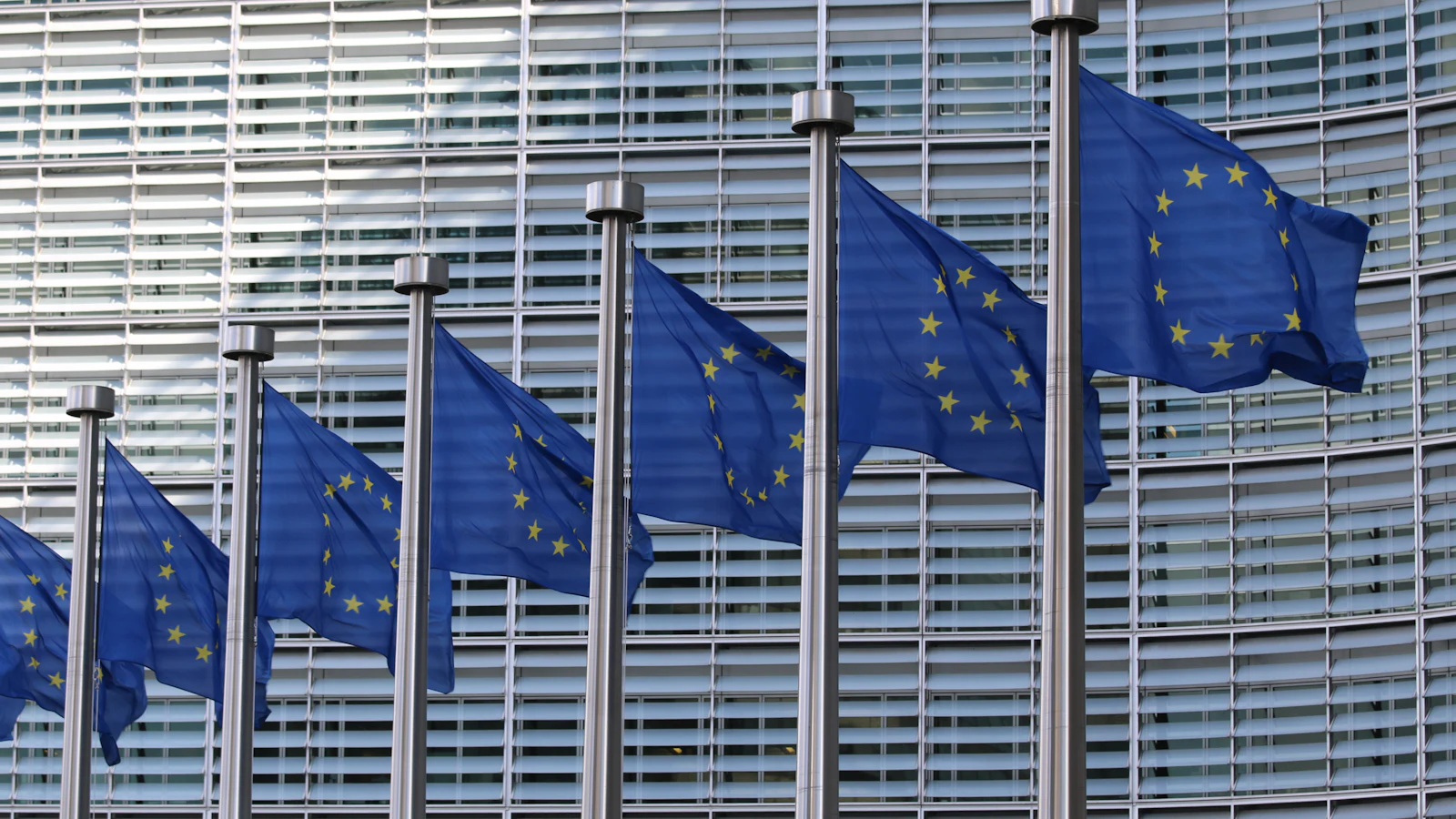
On 30 October 2026, the European Commission adopted its Guidelines on Population Preparedness, under the Preparedness Union Strategy presented in March 2025. They were made public on 3 November and cover four topics: how to communicate risks, household self-sufficiency for at least 72 hours, preparedness in schools, and the inclusion of people with disabilities.
They are non-binding recommendations addressed to each country’s government and civil protection services, which will adapt them to their own circumstances. In practice, your national civil protection authority remains the reference.
Why 72 hours
According to the Commission, 72 hours has become an internationally recognised minimum standard, based on lessons from past disasters and service disruptions. In the first three days of a crisis, emergency services are under heavy pressure and need time to reach everyone. If households can cover their basic needs, help can be focused on those who need it most.
The document also highlights a personal benefit: being prepared gives a greater sense of control and helps people make calmer decisions when something happens.
What it recommends keeping at home
The guidelines suggest these basics:
- Food that keeps at room temperature and can be eaten without cooking, or with very simple preparation
- Stored water for drinking, cooking and basic hygiene
- An alternative source of light, and of heating or cooling
- Medicines and first-aid supplies
- Hygiene products, and a plan for the toilet if the water fails
- A way to receive information: a battery radio and charged power banks
- Cash, including small notes and coins, in case digital payments fail
It also suggests thinking about pets, having a family plan (where the nearest shelter is and how to reach relatives if mobile networks are down), preparing a bag in case you need to leave home, and learning basic skills such as first aid.
Quantities: you decide
The EU does not set quantities or propose a single European kit. It says each person knows best what their household needs, and that national authorities should help with information. As a guide, Catalonia’s Civil Protection recommends allowing 1.5 litres of water per person per day.
How to start, according to the guidelines
The document stresses that preparedness should be gradual, affordable and adapted to each household, including if you have little space or a tight budget:
- Look at what you already have: you probably have a good part of what you need.
- Take a simple first step, such as storing a few bottles of water or checking that your torch works.
- Build it up gradually, with products you normally use.
- Make it part of your routine: a habit rather than a one-off task.
- Talk about it with your family and neighbours: preparedness is a shared effort.
If you want a concrete plan, our article “How to get your home ready in one weekend” walks you through it step by step.
A note on products
The guidelines call for avoiding fear-based commercial messages and point out that preparedness does not depend on buying anything in particular. The EU does not recommend any product or brand, including ours. At Reserva 72 we agree: the most important thing is to start with what you already have.