What happened
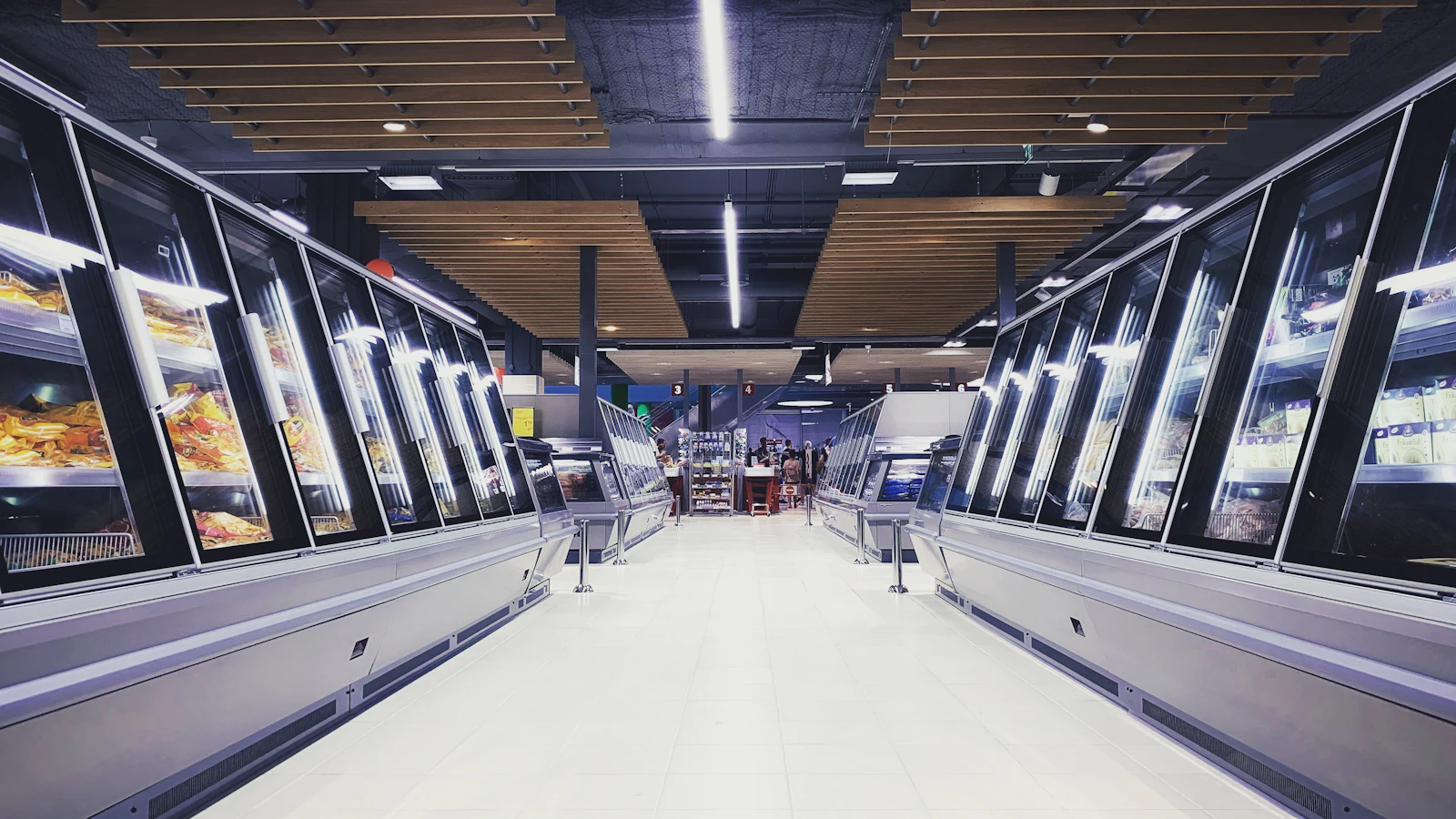
Between 11 and 13 October 2026, attackers took remote control of the refrigeration systems of hundreds of supermarkets in France. According to the French finance minister, around 700 were affected. Fridges and freezers reached up to 50 °C, stores had to throw food away and in some cases fires broke out. The French government said food supplies were not at risk.
On 2 November, similar attacks hit shops in Belgium, the Netherlands, Sweden, Luxembourg, Ireland and Estonia, with more than 115 stores affected according to early counts. It is not yet known who is behind them.
It’s not the first time a cyberattack has stopped a supermarket
In July 2021, a ransomware attack on the supplier of the Swedish chain Coop’s tills forced hundreds of stores to close for several days, because they could not take payments. Stores reopened gradually, some accepting other payment methods.
The lesson is the same one we learned from the 28 April blackout: fridges, tills and card terminals all depend on systems that can fail. The impact is usually local and short-lived, but it is better not to be caught with nothing.
1. Don’t rush to the shops
If one shop has problems, the others keep working. Panic buying is what empties the shelves and makes the problem look bigger than it is. The best protection is having the basics ready before anything happens.
2. Keep a small three-day reserve
If your usual shop closes one day or runs out of fresh food, a small reserve gives you some leeway without having to improvise: bottled water (Civil Protection recommends 1.5 litres per person per day) and food that needs no cooking or fridge, such as tins, nuts or biscuits.
3. Keep some cash
When tills or card terminals fail, cash is often the only way to pay. Keeping a small amount at home, in small notes, is one of the simplest and most useful steps you can take.
4. Follow official channels and be wary of messages
After news like this, rumours and scam messages that exploit it often circulate: fake offers, fake refunds or links to “recover” a purchase. Check your shop’s official website or channels, and never give out bank details through a link you receive by message.
In short
- Food supplies are not at risk: there’s no need to stock up
- A small three-day reserve of water and food gives you leeway
- Some cash in small notes, in case card payments fail
- Information from official sources only
Being prepared doesn’t mean living in fear. It means that if your supermarket can’t open one day, you have the basics at home to wait calmly.